
From Coal Mining to Agriculture: An Ecological Initiative at a Chinese Coal Mine
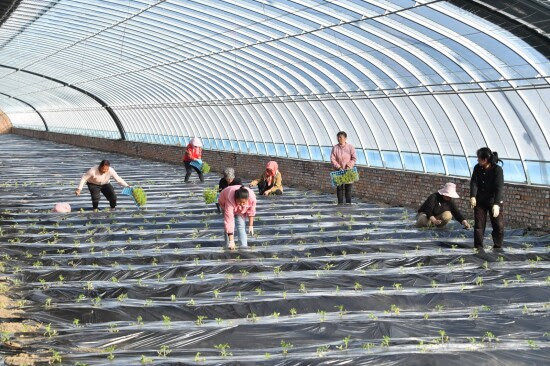
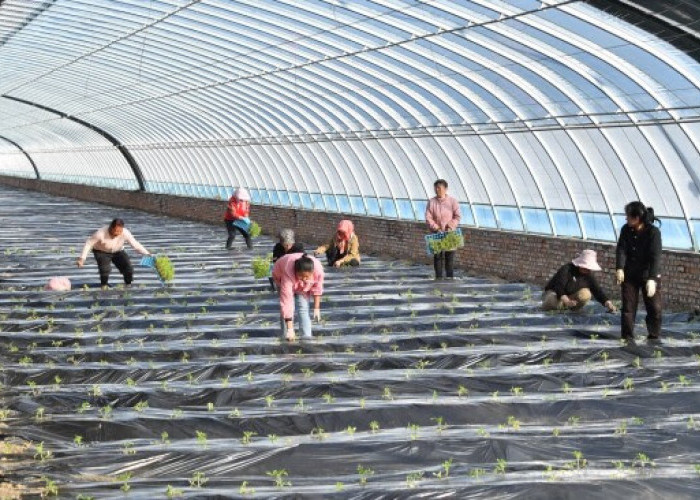
In late spring, workers in the coal mine reclamation greenhouses actively plant seedlings to make the most of the farming season.--
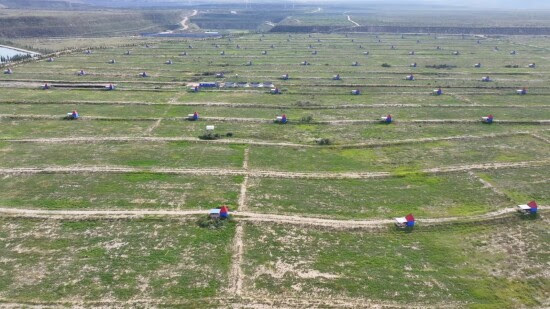
In the reclamation area, rows of chicken coops are neatly arranged, with tens of thousands of free-range ecological chickens roaming freely.--
"Coal will eventually run out, but the land must be preserved for future generations." A statement from the head of Minda Coal Mine highlights a long-term challenge faced by resource-dependent regions.
Currently, Dongsheng District has achieved an 87% green mine certification rate, completed reclamation greening of 820 hectares, and manages 1,525 hectares of goaf areas. New industries such as sea buckthorn cultivation, photovoltaics, agriculture, and animal husbandry have been established in the reclamation area. Where coal mining once accounted for 90% of income, ecological agriculture now contributes 18%, with projections of an increase to 35% by 2027. Plans are underway for slaughterhouses, food processing plants, feed factories, fertilizer plants, and breeding bases.
From coal mining to farming, from the "rainwater bank" to supermarket shelves, the spring of 2026 at Minda Coal Mine offers a promising answer to a common question in China's resource-based regions: after underground resources are depleted, how can above-ground advantages be sustainably leveraged?
Sumber:
- Share: